Salinity
Electrical conductivity and dissolved salts affect crop water uptake and the required leaching and blending strategy.
IRRIGATION APPLICATIONS · WATER QUALITY FOR CROP PERFORMANCE
Connect source-water chemistry, crop and soil sensitivity, seasonal demand, storage and blending to the correct DESAL platform.
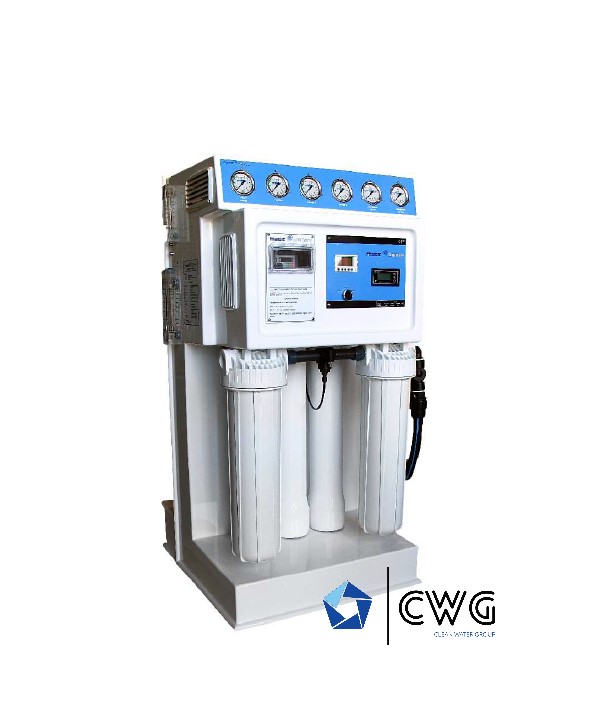
SEAMASTER engineers the treatment platform from the source and required output. The final irrigation-water target must also be approved against crop, soil, climate and irrigation method.
IRRIGATION WATER QUALITY
A single TDS or conductivity value cannot describe the complete agronomic or treatment risk.
Electrical conductivity and dissolved salts affect crop water uptake and the required leaching and blending strategy.
Sodium must be interpreted with calcium, magnesium, alkalinity, soil conditions and infiltration risk—not as a standalone value.
Chloride, boron and other ions can become limiting for sensitive crops even when total salinity appears acceptable.
Hardness, alkalinity, silica, pH and temperature influence pretreatment, recovery and concentrate behaviour.
Suspended solids, iron, manganese, biological loading and precipitates can obstruct drippers and distribution equipment.
Crop variety, growth stage, root zone, soil drainage, climate and irrigation method determine the usable final-water specification.
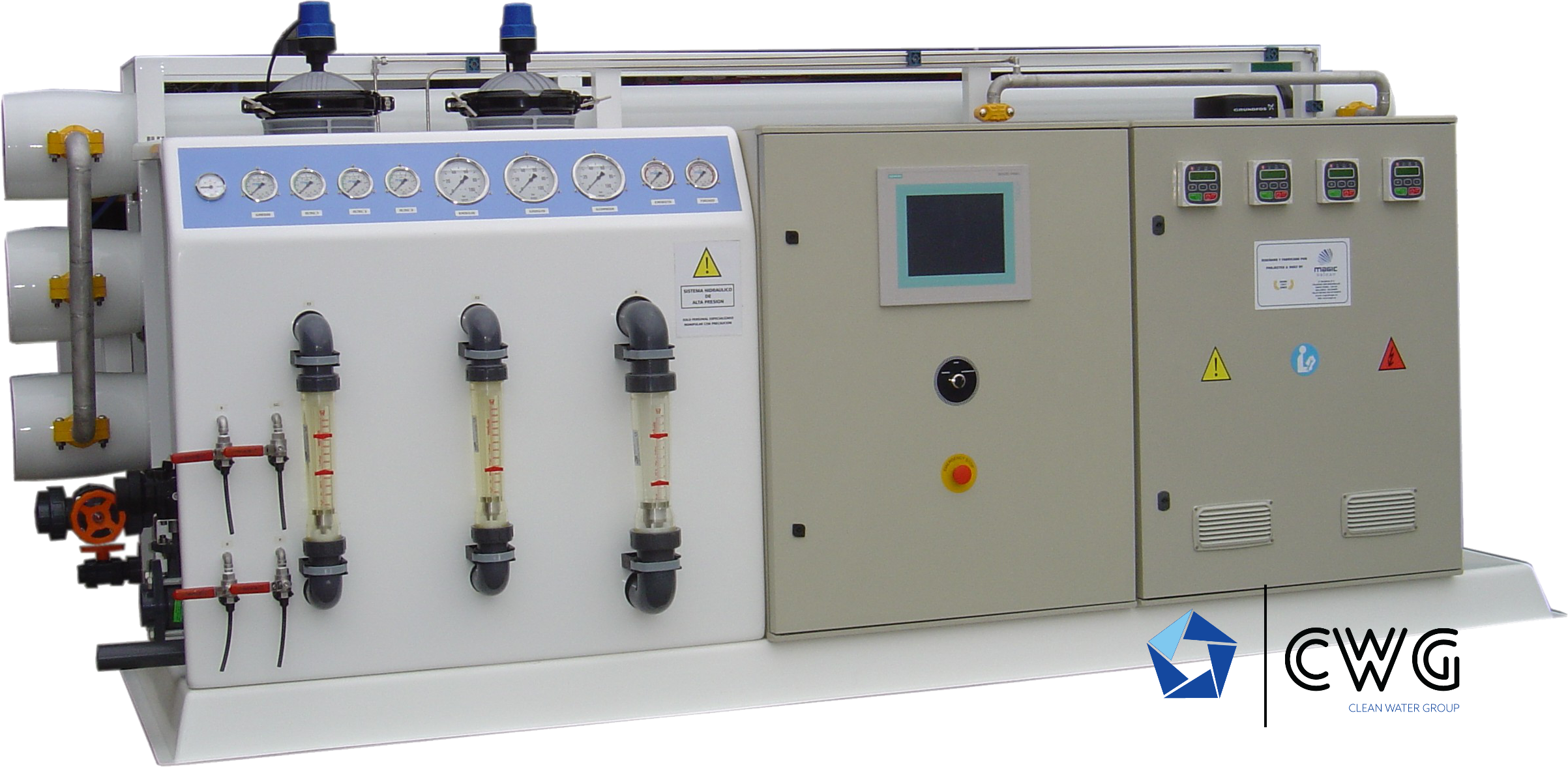 COMPACT TO ENGINEERED IRRIGATION DUTY
FOUR PRODUCT ROUTES
Small nurseries, controlled growing systems or low-volume irrigation where the verified feed fits an HL or L configuration.
Open product familyFlexible compact duty with HL, L and M configurations, plus LR permeate-quality options where applicable.
Open product familyCommercial greenhouse, nursery, orchard and other irrigation supply within the KP catalog envelope.
Open product familyEngineered seawater-fed agriculture when pretreatment, storage, blending and multi-train availability form one complete project.
Open product familyCatalog conductivity limits describe equipment routing, not crop tolerance. Final recovery, pretreatment and product-water composition require project review.
PRELIMINARY CAPACITY LOGIC
Field flow and RO production are separated by storage. These are illustrative calculations before reserve and agronomic review.
BLENDING & NUTRIENT STRATEGY
Where the raw water contains usable minerals but one or more limiting constituents, controlled blending may reduce treated-water demand and stabilise the final composition. The blend must still satisfy every crop, soil and emitter constraint.
IRRIGATION WATER TRAIN
DATA FOR A TECHNICAL REVIEW
Send the available information; missing inputs will be identified during review.
Send irrigation dataSelect the source-water class and required output. The result is a catalog starting point before the engineering and agronomy gates.
IRRIGATION APPLICATION FAQ
No. Conductivity describes overall ionic loading but does not show specific-ion toxicity, sodium-related infiltration risk, scaling tendency, emitter fouling or crop and soil sensitivity. Review a complete water analysis with the agronomic conditions.
Not always, but very low-mineral permeate can change nutrient formulation, alkalinity, pH stability and corrosion behaviour. Blending, remineralisation or fertiliser adjustment must be decided from the crop, source water, irrigation system and agronomy plan.
Usually not. Irrigation can require a high flow for a short zone cycle, while the RO plant produces steadily into storage. Size the RO system from the total daily treated-water demand and available production hours; size storage and irrigation pumping from the field schedule.
Do not assume it can. Concentrate contains the rejected salts at a higher concentration and may create crop, soil, groundwater or discharge risks. Any reuse requires a separate water balance, analysis, agronomic assessment and local environmental approval.
No. They are catalog feed-water boundaries for preliminary equipment routing. The acceptable irrigation-water composition is a separate agronomic decision based on crop, soil, climate, irrigation method and blending strategy.
READY TO DEFINE THE IRRIGATION WATER?
We will identify the DESAL platform and the technical inputs required before the agronomic target is approved.